FAMILIES UNDER CARE
Project Objective:
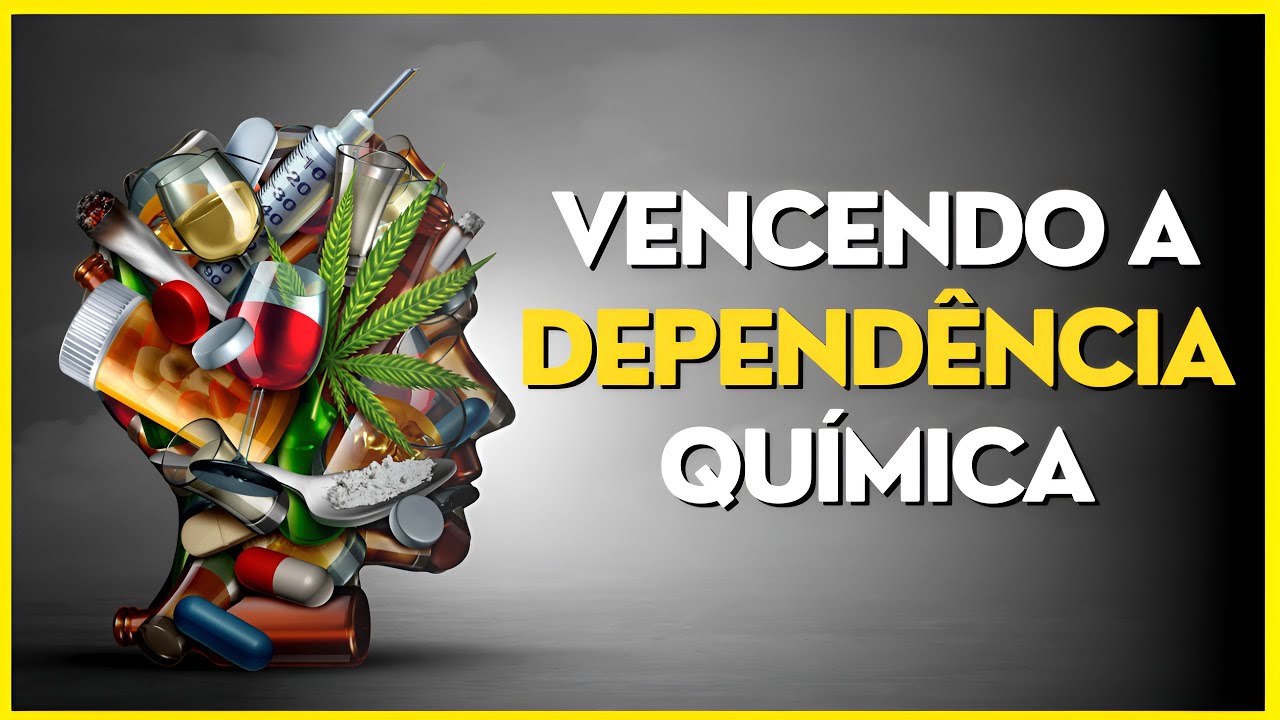
The primary objective of this project is to offer comprehensive support to relatives who have individuals facing chemical dependency within their family, focusing on treatment and emotional support. Additionally, it seeks to raise awareness in society about substance abuse, promote prevention, and offer a safe environment of support for families.
Target Audience
- Family members who have relatives undergoing treatment for chemical dependency, both in the early and advanced stages of recovery.
- Families and friends of dependents, with the aim of guiding and involving them in the treatment process and ongoing support.
- Healthcare professionals and educators, with the objective of disseminating information and promoting training in the field of chemical dependency.
Intervention Strategies
Initial Welcoming: Initial Psychological Evaluation: Reception of new patients with a welcoming and empathetic approach to evaluate their emotional and physical conditions. Interviews with family members: To understand the context of the dependency, the family impacts, and the available support network. Guidance on the recovery process: Explaining the stages of treatment, expectations, and the importance of the individual's commitment to recovery.
Treatment
Psychological Support and Cognitive-Behavioral Therapy (CBT): Individual and group therapy sessions focused on addressing the emotional and behavioral issues related to codependency.
Family Follow-up
Family Support Groups: Creating support groups for family members, where they can share their experiences, learn about chemical dependency, and receive guidance on how to offer appropriate support to their loved one. Family Guidance and Therapy: Therapy sessions to improve communication and strengthen family support.
Prevention and Education
Awareness Campaigns: Promotion of educational events and initiatives to prevent substance use and raise society's awareness about the impacts of chemical dependency. Workshops for Schools and Communities: Offering lectures, workshops, and courses on substance abuse prevention, risk factors, and identifying signs of chemical dependency.
Social Reintegration Initiatives
Professional Training Courses and Workshops: Offering professional qualification courses so that patients can restart their lives with new opportunities in the job market. Housing Support and Social Inclusion: If necessary, the project can assist in restructuring the patient's social life, providing support to obtain housing and social reintegration.
Post-Treatment Follow-up
Continuous Support: Ensuring the patient has access to support groups, psychological follow-up, and other services to prevent relapses. Mentoring and Case Monitoring: Former patients or volunteers can act as mentors for new patients.
Structure and Infrastructure
Physical Space: Set up a rehabilitation center with space for medical consultations, individual and group therapy sessions, as well as recreational and educational activities. Invest in comfortable furniture, educational materials, and audiovisual resources.
Human Resources
The project team must be formed by specialized professionals: Psychologists, psychiatrists, social workers, and an administrative and management team.
Partnerships
Hospitals and rehabilitation clinics, Universities and Educational Institutions, NGOs and Social Organizations, and local businesses.
Evaluation and Monitoring
Feedback from families and analysis of social and reintegration indicators to measure the impact on families' lives.